

Building Savings Habits on Your First Salary
Practical strategies for setting aside money without feeling restricted, even when your paycheck feels tight.
Read ArticleBreaking down gross salary, EPF, tax deductions, and what actually goes into your bank account each month

You’ve landed your first job. Congrats. You’ll get that first payslip and honestly, it can be confusing. The number you negotiated isn’t the number that hits your bank account. There’s gross salary, then there’s what you actually take home. We’re talking EPF contributions, income tax, and maybe a few other deductions you weren’t expecting.
Here’s the thing — understanding your payslip isn’t just about knowing how much you earned. It’s about understanding where your money goes, what’s required by law, and what you can actually plan with. Let’s break it down into pieces that make sense.

Let’s say you’ve agreed on RM3,500 monthly. That’s your gross salary — the full amount before anything comes out. But that’s not what you’ll see in your bank account. You’re probably looking at something closer to RM2,900 or RM3,100, depending on your situation.
The difference? Mandatory deductions. In Malaysia, your employer is required to deduct contributions to your Employee Provident Fund (EPF), and you’ll pay income tax based on your salary bracket. These aren’t optional. They’re deducted automatically before your salary gets transferred to you.
Gross salary = what was offered to you. Net salary (take-home) = what actually reaches your bank account after all deductions.


EPF is the Employees Provident Fund. Think of it as forced savings for your retirement. You’ll contribute 11% of your basic salary, and your employer matches it with 12%. That’s 23% total going into your retirement account every month. The good news? You’ll get all of it back when you retire. The not-so-good news? You can’t touch it until you’re 55 (with limited exceptions).
On that RM3,500 salary, you’re looking at about RM385 going to EPF each month. It feels like a lot, but you’re actually building wealth without having to think about it. Your employer’s contribution doesn’t come out of your paycheck — it’s separate. Only your 11% is deducted from your gross salary.
Income tax in Malaysia is progressive, meaning the more you earn, the higher percentage you pay. As a fresh graduate earning RM3,500, you’re probably in a lower bracket. Your payslip will show “PCB” (Pelepasan Cukai Bulanan) or monthly tax deduction.
Here’s where it gets interesting. Your employer deducts tax monthly, but you might get some back when you file your annual tax return if you have relief items like SSPN (education loan relief), life insurance, or personal medical expenses. Don’t skip filing your tax return — you could be leaving money on the table.
At RM3,500, you’re likely paying somewhere between RM50-100 monthly in income tax. Not huge, but it adds up over the year. This is why your take-home is noticeably less than your gross.
Beyond EPF and tax, your payslip might show other deductions depending on your employment contract:
Social Security Organisation contribution. It’s insurance that covers you if you get sick, injured, or disabled. Your employer usually covers most of it, but you might see a small deduction.
Some companies offer group health or life insurance. If you’ve enrolled, the premium comes out of your paycheck. It’s usually cheaper than buying it yourself.
If you’ve taken a company loan or salary advance, the repayment comes straight from your paycheck. Make sure you understand the terms before you sign.
Phone allowances, parking fees, or union dues might be deducted depending on your company policy. Check with HR if you’re unsure about any line item.
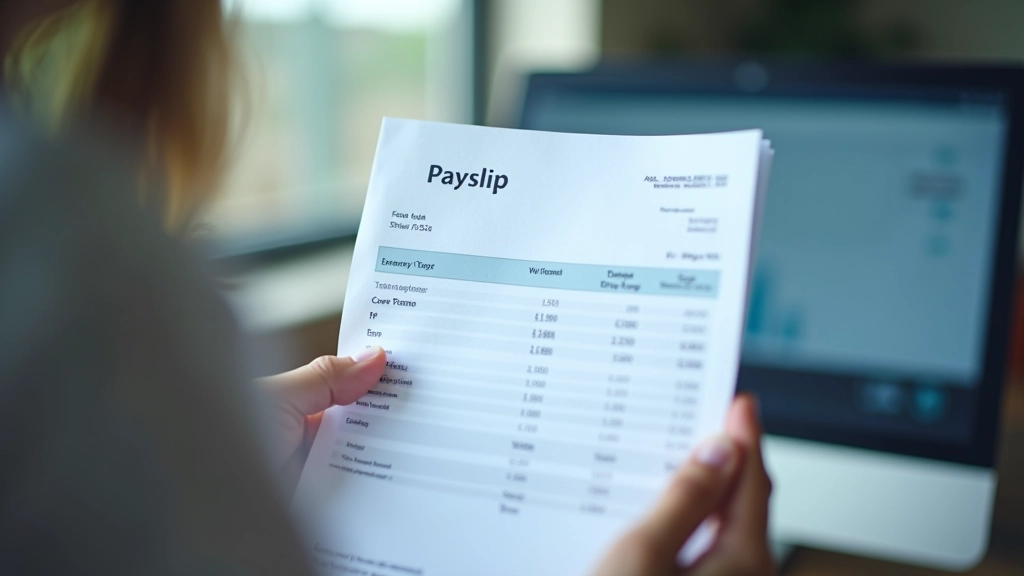
Your payslip is usually laid out in sections. Here’s what to look for:
This shows your basic salary, allowances (if any), and bonuses. All the money your employer is paying you before any deductions.
EPF, tax, SOCSO, insurance, loans — everything that comes out. Add these up and subtract from your gross salary to understand your net pay.
The final number. This is what’s supposed to hit your bank account. Match this against what actually arrives to make sure there are no errors.
Shows cumulative totals from the start of the year. Useful for tracking your annual earnings and tax paid for filing purposes.
Save all your payslips. You’ll need them for loan applications, tax filing, and to track your EPF contributions. Digital copies are fine, but keep them organized.
Plan your monthly expenses based on your net pay, not gross salary. That’s the money you actually have to work with. Don’t forget about PTPTN repayment if you have student loans.
If there’s a deduction you don’t recognize, ask HR immediately. Don’t assume it’s correct. Better to clarify now than discover errors later.
Every year, submit your tax return even if you’re not required to. You might have relief claims that give you money back. Takes 30 minutes through the LHDN website.
Register for the EPF mobile app or portal. Monitor your contributions monthly. It’s your money and you should know how much you’ve saved.
Beyond EPF, try to set aside 10-15% of your net pay into a separate savings account. Medical emergencies, job loss, or unexpected expenses happen. You’ll be glad you prepared.
Your first payslip can feel underwhelming when you compare it to your negotiated salary. But it’s not a loss — it’s a system. EPF is building your retirement. Tax is funding public services. Understanding where every ringgit goes gives you real control over your finances.
Spend time with your payslip. Understand each line. If something doesn’t make sense, ask. And remember, your payslip is the foundation for everything else — budgeting, loan applications, tax filing, and financial planning. Get this part right, and everything else becomes easier.
Now that you understand your payslip, explore how to build savings habits and plan for PTPTN repayment in the articles below.
This article is for educational purposes to help you understand how payslips work in Malaysia. Tax regulations, EPF rules, and deduction policies may change. For specific advice about your personal situation, consult with the Malaysian Inland Revenue Board (LHDN), your HR department, or a qualified financial advisor. Always verify information on official government websites before making financial decisions.